The GTA Investor Playbook for May 2026: Durham Region, Hamilton, and the Legal Basement Suite Strategy
By YorkNine Journal ·
He bought in Oshawa when everyone told him to wait. In May 2026, his Durham Region semi is generating $2,900 a month. Here is the complete GTA investor playbook for income properties, legal basement suites, and the Hamilton equity thesis.
He bought his first investment property in Oshawa in October 2022. The market had just started to turn. His colleagues told him it was too early. His partner told him to wait six months. He bought anyway.
In May 2026, that semi-detached is generating $2,900 per month in rent across two units. His carrying costs at the original locked-in 5-year fixed rate are $3,400 per month including taxes and insurance. He is negative-carry by $500 per month. He does not consider himself to be losing money. The property has appreciated approximately $80,000 from his purchase price. The mortgage is being paid down by his tenants. He is building equity in his sleep.
He is already searching for property number two.
Why Durham Region Is the GTA Investor's Most Compelling Story in 2026
Durham Region, comprising Ajax, Whitby, Oshawa, Pickering, and Clarington, has the lowest average detached home prices of any 905 region in the GTA. Oshawa averages approximately $730,000 to $780,000 for detached. Ajax runs $850,000 to $960,000. Whitby sits at roughly $820,000 to $900,000. These are real prices accessible to real investors without eight-figure portfolios.
The rental market in Durham is tight. Vacancy rates in Oshawa hover below 2 percent. Whitby and Ajax are similarly constrained. Two-bedroom units are renting for $1,900 to $2,300 per month. Legal basement suites in detached and semi-detached properties are generating $1,600 to $2,100 per month on top of upstairs rents of $2,000 to $2,600. Total gross revenue from a well-configured Durham detached with legal basement: $3,600 to $4,700 per month.
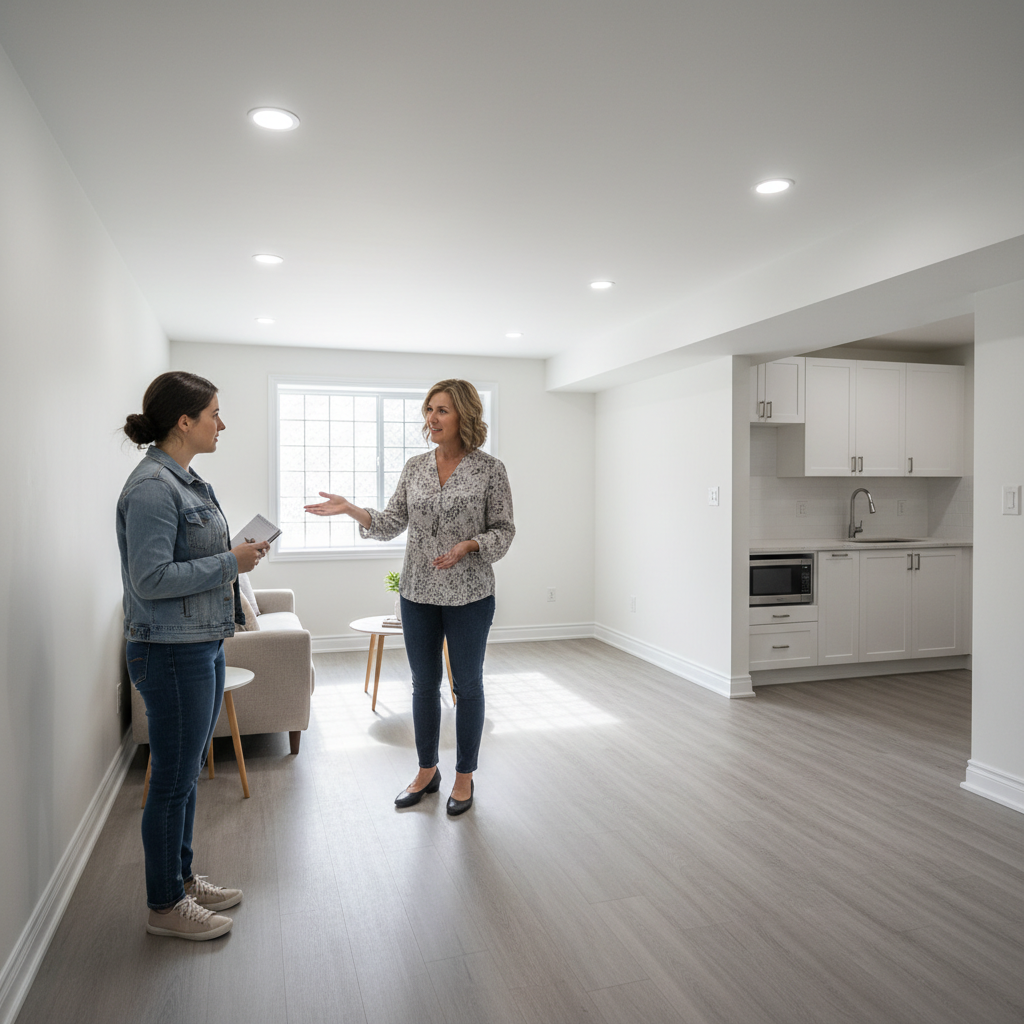
The Legal Basement Suite: The Most Important Renovation in the GTA Investor Playbook
A legal suite requires a separate entrance, a full kitchen with dedicated ventilation, a bathroom, proper egress window in the bedroom, and compliance with Ontario Building Code requirements. In Oshawa and Durham Region, permit approvals typically take 4 to 8 weeks. Construction costs for a mid-grade legal basement conversion run $55,000 to $85,000.
The return on that investment, at $1,800 to $2,100 per month in additional rent, is a gross annual income addition of $21,600 to $25,200. At the lower end of renovation cost and rental income, the gross capitalization rate on the renovation itself is approximately 26 percent. No publicly traded asset produces that return with comparable security.
The investors executing this strategy in Durham right now are not sophisticated Bay Street operators. They are people with a single investment property, a line of credit, and the willingness to run the numbers honestly.
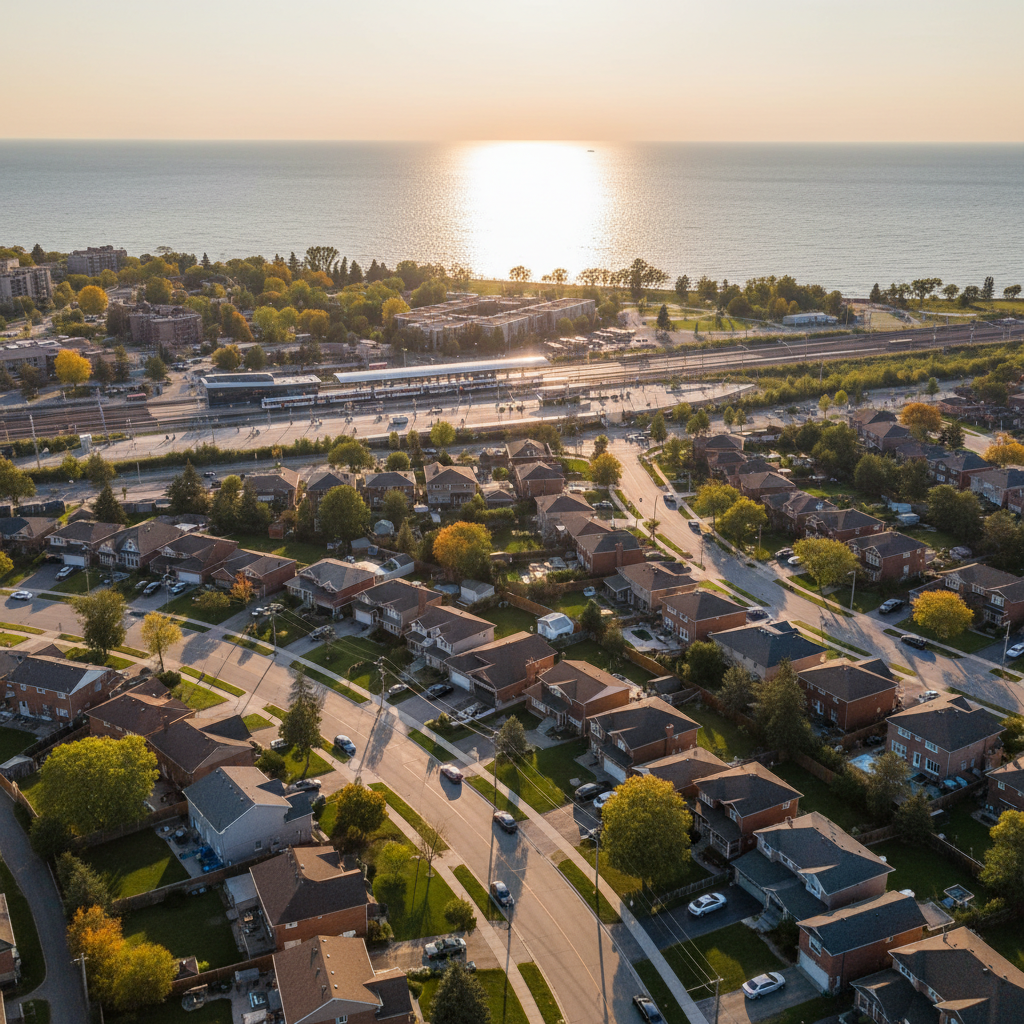
Hamilton: The Secondary Thesis for the Patient Investor
Durham is the income play. Hamilton is the equity play.
A detached home in Hamilton's Durand, Kirkendall, or Strathcona neighbourhood purchased at $720,000 to $800,000 today can generate $2,200 to $2,600 per month in upper-unit rent with a legal basement suite contributing another $1,400 to $1,700. Gross monthly income of $3,600 to $4,300 on a property that has both income potential and long-term appreciation in a city whose fundamentals continue to strengthen.
The patient investor who holds for 7 to 10 years in Hamilton will likely tell a story similar to the people who bought in 2015 when the same neighbourhood homes were $320,000.
The Four Numbers Every GTA Investor Must Run Before Buying
Gross rent multiplier: divide the purchase price by the annual gross rent. A GRM below 20 is acceptable. Below 17 is good. Below 15 is rare and should be acted on immediately.
Cash-on-cash return: calculate your annual cash flow after all expenses and debt service divided by your actual cash invested. Negative cash flow is not automatically disqualifying if equity growth compensates, but you need to know the number going in.
Vacancy buffer: build 5 percent of gross annual rent into your expense calculation as a vacancy reserve. Oshawa and Durham vacancy rates are low now. They may not be in year 3 of a 5-year hold.
Exit strategy: can you sell this property to an owner-occupier if you need to liquidate? Detached homes with secondary suites remain attractive to both investors and families.
The man in Oshawa with property number two already on his search list has run all four numbers. He knows his GRM target. He has his mortgage broker on standby. He is not waiting for permission from the market.
Visit yorknine.ca to access current Durham Region and Hamilton investment listings and connect with a YorkNine agent who specializes in income properties across the GTA.
Related articles
- Oakville GO: what the station expansion actually includes
- A lower mortgage cost is only one part of affordability
- Mississauga’s incentive window is for development costs
- Milton’s high-density rebate: what is covered
- Joshua Creek Montage advertises 5% deposit — check the written terms
- Greenwich’s advertised inclusions need a suite-specific check