The Train That Changes Everything: How GO Transit Is Remaking Kitchener Waterloo and Cambridge
By Avi Samaroo and Quan Ve ·
Two-way all-day GO service is advancing on the Kitchener Line and it is already reshaping property values across Waterloo Region and Cambridge. A complete guide to the pre-construction pipeline, who is buying, and the investment case.
The Train That Changes Everything: How GO Transit Is Remaking Kitchener, Waterloo, and Cambridge
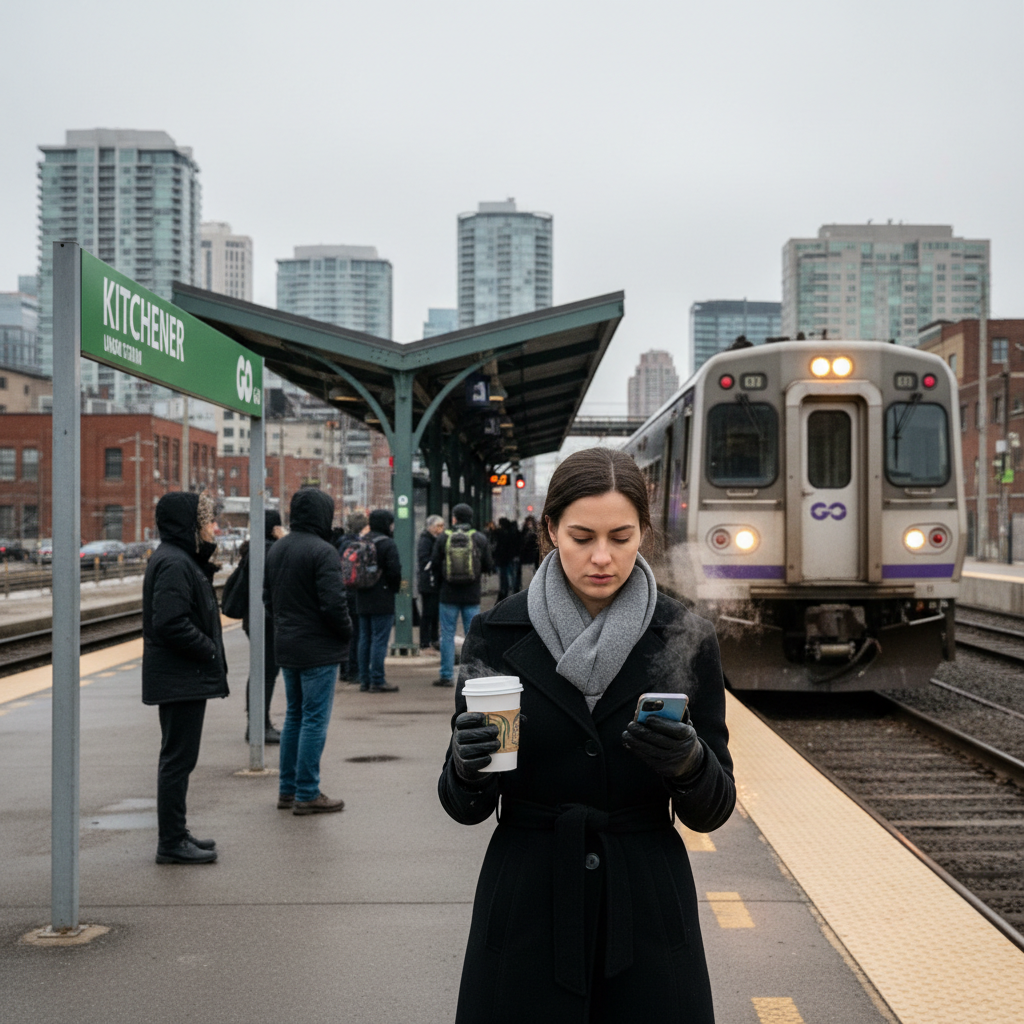
She checks her phone as the doors slide open. The platform at Kitchener station smells like coffee and cold air, and for a moment, standing in the blue morning light with her laptop bag on her shoulder and a thermos in her hand, she looks like she could be at Union Station or Bloor-Yonge. Except the rent on her condo is $1,640 a month and she bought it two years ago for $489,000, and tonight she will be home before six.
This is what two-way, all-day GO service has always been about: not trains, but lives. The Kitchener Line expansion, which Metrolinx is advancing as part of the GO 2.0 program, is the single most consequential piece of transit infrastructure coming to Ontario outside of the Eglinton Crosstown, and it is reshaping the real estate landscape of Waterloo Region and Cambridge before the first all-day train has even run.
What the GO Expansion Actually Means
The Kitchener Line today runs peak-direction rush hour service to Toronto. A morning trip downtown, an evening return. Useful if your life fits exactly that shape. The GO 2.0 vision transforms it into two-way, all-day service, meaning you can travel from Kitchener to Toronto or back at any hour, any direction, any day.
This matters for real estate in a precise and measurable way. Every previous GO expansion in Ontario has produced the same outcome: property values along the corridor appreciate faster than the regional average in the three to five years following the service announcement, with the sharpest gains within a 10-minute walk of station areas.
The 2026 Ontario Budget confirmed continued investment in GO 2.0 infrastructure across the Kitchener Line corridor. Metrolinx has confirmed active track and signal work supporting the expansion. The timeline for full two-way all-day service is a live and moving target, but the direction is certain and the market is already pricing it in.
Average condo prices near the Kitchener ION LRT stops, which provide direct connectivity to the GO station, have held steadier than provincial averages through the 2025-2026 correction. The correction that hammered the GTA by 6.7 percent year over year hit Waterloo Region at approximately 3.5 to 4 percent, with station-adjacent properties outperforming the regional average by a measurable margin.
The Pre-Construction Pipeline Right Now
Over 100 new pre-construction developments are actively tracked in Waterloo Region as of April 2026, with launches concentrated in three distinct zones.
Kitchener's urban core, particularly the King Street and Victoria Street corridors, is seeing the most concentrated pre-construction activity. The combination of the ION LRT running through the downtown and GO connectivity at the south end has made this corridor the primary target for mid-rise mixed-use development. Purpose-built rental towers, stacked townhomes, and traditional condo buildings are all under review or construction within a 15-minute walk of major transit.
Waterloo's Uptown district, the commercial heart of the city anchored by King Street North, is mid-transformation. The area has evolved from a suburban commercial strip to a walkable mid-rise neighbourhood over the past decade, and the current round of pre-construction projects is pushing density further. Several 12 to 18 storey residential towers with ground-floor retail are in preconstruction or early construction phase within the Uptown node.
Cambridge is the region's undervalued entry point. The city lacks direct ION access today, but the GO expansion and active transit planning for a Cambridge LRT extension have put it on the radar of investors who have been studying the Kitchener-Waterloo market and were priced out of the station-adjacent zones. Pre-construction townhome projects in Preston and Galt are pricing in the high $500,000s to low $700,000s, representing some of the strongest value in Ontario's mid-sized cities.
Schools, Amenities, and Why Families Are Choosing This Region
The University of Waterloo and Wilfrid Laurier University anchor the region's identity, but the school ecosystem that matters to families buying homes goes deeper than the universities.
Waterloo Region District School Board and Waterloo Catholic District School Board together serve over 100,000 students across more than 100 schools. The region consistently outperforms provincial averages on EQAO assessments, with several elementary schools in the Waterloo and north Kitchener areas ranking in the top quartile provincially.
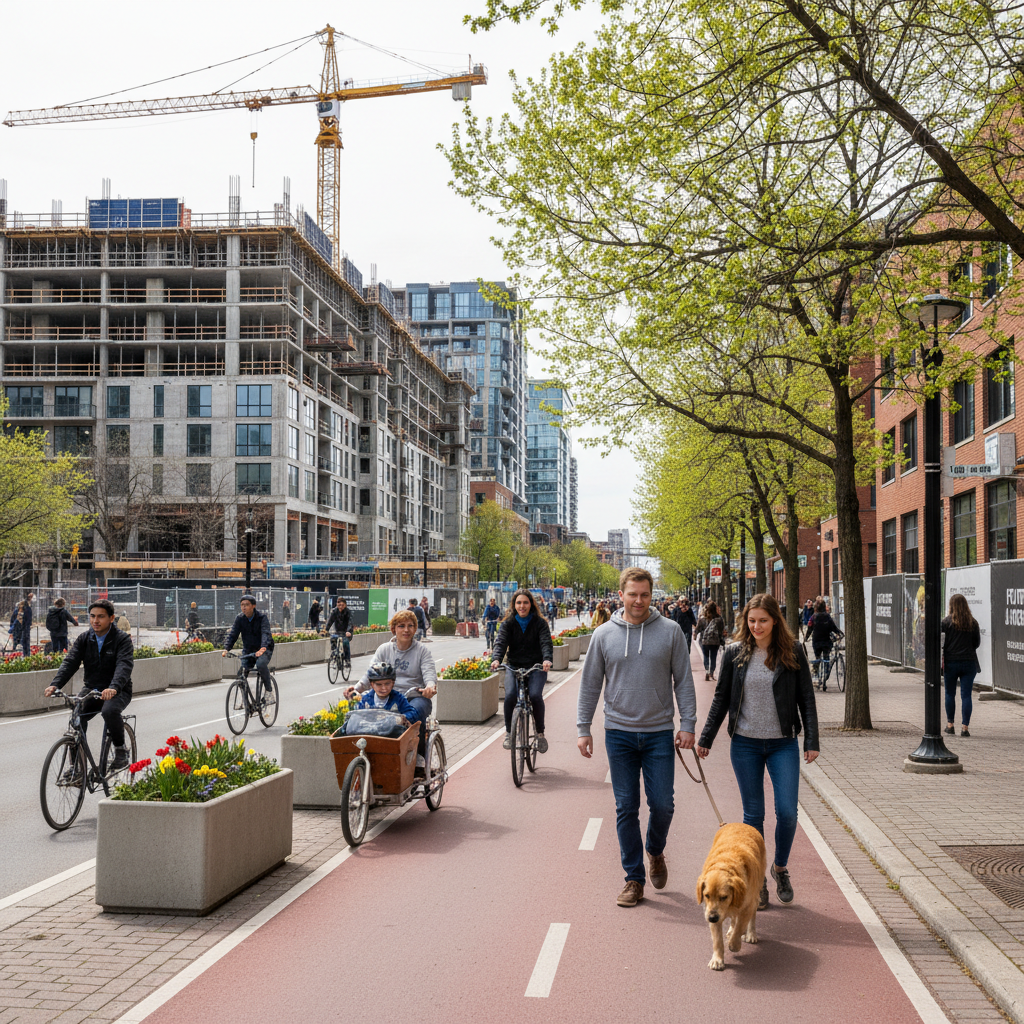
The amenities picture has shifted dramatically in the last five years. The Kitchener Market, one of Ontario's oldest and most vibrant farmers markets, anchors Saturday mornings for thousands of families. The Waterloo Park expansion completed in 2024 added significant green space and programming to the urban core. The Catalyst137 tech campus and the broader innovation district that has grown up around it have brought an urban professional energy to Kitchener that did not exist a decade ago.
Healthcare: Grand River Hospital in Kitchener and St. Mary's General, both within the urban core, provide acute care to the region. Cambridge Memorial Hospital serves the south. For families, the presence of strong regional healthcare within a 15-minute drive is a quality-of-life factor that registers as clearly in real estate demand as school rankings do.
The Investment Math in Plain Numbers
A one-bedroom condo near the Kitchener ION corridor currently prices between $420,000 and $520,000 depending on vintage, finishes, and exact transit proximity. Monthly carrying costs on a $480,000 purchase with 20 percent down at 4.04 percent over 25 years: approximately $2,040 mortgage payment plus $350 maintenance and $200 property tax. Total: $2,590.
Market rent for a comparable one-bedroom in Kitchener's urban core: $1,850 to $2,100 per month. The negative carry is approximately $500 to $700 per month before tax considerations.
That is the current income position. The appreciation position is different. Properties bought in the Kitchener ION corridor in 2019, the year the LRT opened, have appreciated at an average of 7.2 percent annually through 2024 despite the 2022-2025 correction cycle. Investors who bought on the announcement and held have done materially better than the regional average.
The GO expansion is a larger announcement than the ION opening was. The demand pool it creates, every Toronto professional who can now consider living in Waterloo Region and commuting, is orders of magnitude larger than the local market the ION served.

Who Is Buying Right Now
The buyer profiles in Waterloo Region in spring 2026 are more diverse than at any point in the region's history, and each tells a story about what this market has become.
The University corridor investor: buying a two or three bedroom unit near either university campus and renting by the room to students. Gross yields of 6 to 8 percent are achievable on well-located properties. The student rental market in Waterloo is structurally undersupplied relative to enrolment.
The Toronto refugee: a professional household earning $140,000 to $180,000 combined who has concluded that GTA home ownership is either impossible or irrational at current prices relative to Waterloo Region. They are buying a detached home in north Kitchener or Waterloo's westside for $750,000 to $900,000 and banking the difference between that price and what they would have paid in Mississauga or Brampton.
The tech sector buyer: engineers, product managers, and executives at the dozens of technology companies that have established in Kitchener-Waterloo, many with compensation structures that support property purchases at the $800,000 to $1.2 million level. This buyer is specifically looking for properties within walking or cycling distance of the innovation district.
The long-term investor: watching the GO expansion timeline and buying near station areas with a 7 to 10 year hold horizon. Patient capital, disciplined underwriting, and the confidence that what happened to Oakville when full GO service arrived will happen here.
The Window That Is Open Now
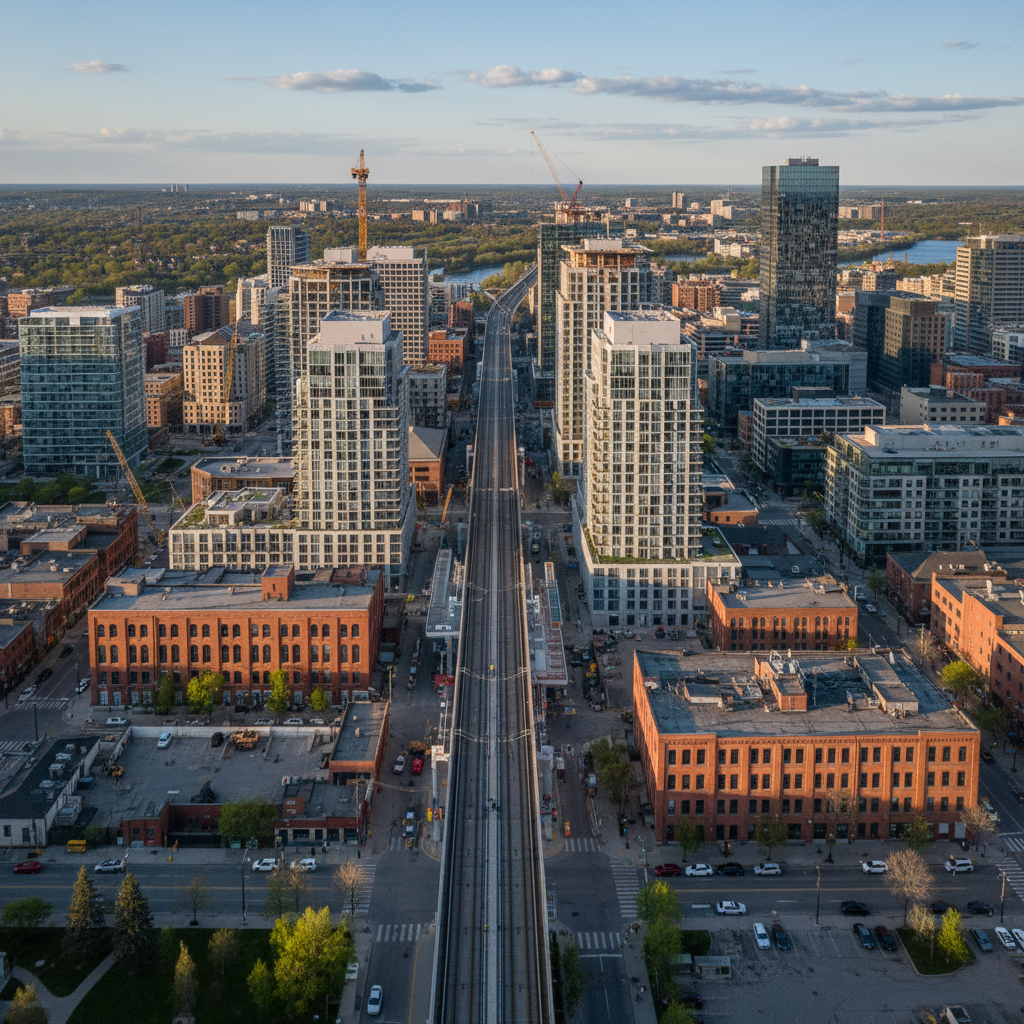
Every major transit-driven real estate cycle in Ontario has followed the same sequence. The announcement creates awareness. The pre-construction activity creates excitement. The construction phase creates fatigue and doubt. The opening creates proof. The appreciation happens across all four phases but is most accessible to buyers during the doubt phase.
Waterloo Region is somewhere between the announcement and the construction phase. The doubt has arrived: the timeline for full two-way all-day service has shifted, the pre-construction market has softened with the provincial correction, and some early buyers are sitting on paper losses. This is historically the moment that produces the best entries for patient buyers with 5 to 10 year horizons.
The train is coming. The only question is when you get on.
YorkNine covers real estate across the full Ontario market. Visit yorknine.ca for listings, analysis, and agent guidance.
Related articles
- Oakville GO: what the station expansion actually includes
- A lower mortgage cost is only one part of affordability
- Mississauga’s incentive window is for development costs
- Milton’s high-density rebate: what is covered
- Joshua Creek Montage advertises 5% deposit — check the written terms
- Greenwich’s advertised inclusions need a suite-specific check