The Backyard Is the New Living Room: How Southern Ontario Homeowners Are Designing the Outdoor Life They Actually Want
By Avi Samaroo and Quan Ve ·
From Oakville to Richmond Hill, Southern Ontario homeowners are transforming their backyards into year-round rooms. The 2026 landscape trends, the investments that add real value, and the design decisions that make a home worth living in.
The Backyard Is the New Living Room: How Southern Ontario Homeowners Are Designing the Outdoor Life They Actually Want
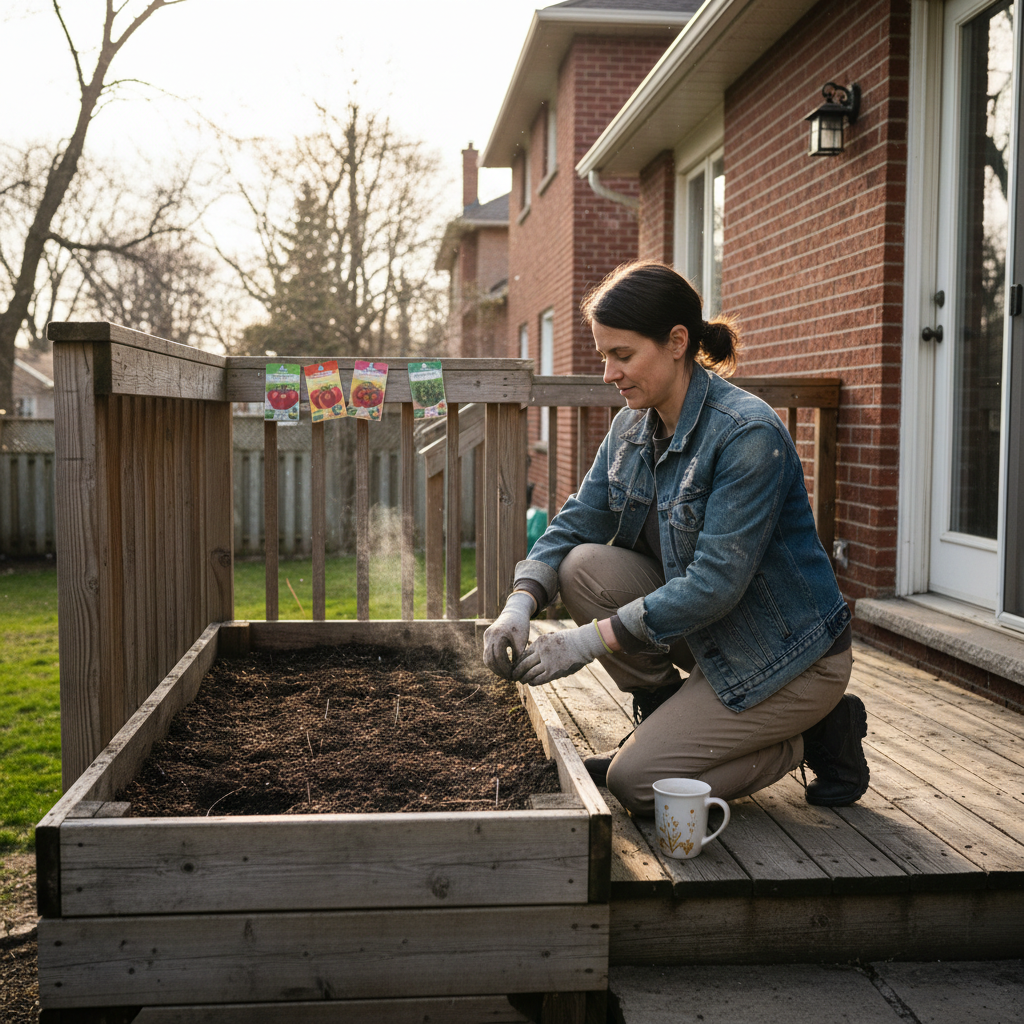
She is standing at her raised garden bed with a cup of tea going cold on the step beside her. The soil is still cool from the night, and the seed packets are lined up along the railing in the order she plans to plant them. Behind her, through the kitchen window, the house is quiet. It is 7:30 in the morning and this, she will tell you, is her favourite part of the day.
The backyard in 2026 is not an afterthought. It is not the strip of grass you mow on Saturday and otherwise ignore. For Ontario homeowners from Oakville to Barrie, from Burlington to Richmond Hill, the outdoor space has become the most actively designed room in the house, the one that gets the most investment, the most thought, and the most use.
The numbers confirm it. According to a recent Canadian survey, 92 percent of Canadians believe having a yard increases a home's value. More than three in four recent yard owners have invested financially in their outdoor space in the past two years. And 91 percent believe time spent in managed outdoor landscapes is good for their health and wellbeing. This is not a home improvement trend. It is a values shift.
Here is what Southern Ontario homeowners are building right now, and why the decisions you make this spring could add tens of thousands of dollars to your home's perceived value by the time the first leaf turns in October.
The Outdoor Room That Gets Used Every Day
The single biggest shift in Southern Ontario backyard design over the last three years is the move from entertaining spaces to everyday spaces. The elaborate patio that came out for dinner parties twice a summer has been replaced by the covered outdoor room that gets used on a Tuesday evening in April when the temperature drops to 12 degrees.
What makes an outdoor room actually usable in Ontario's climate is the combination of overhead cover, wind protection, and supplemental heat. A pergola built to handle snow loads, rated for Southern Ontario freeze-thaw cycles, with roll-down screens on two sides and an overhead radiant heater: this is the infrastructure that turns an outdoor space from a seasonal luxury into a genuine year-round room.
Landscape designers serving Oakville, Burlington, Hamilton, and the Halton-Hamilton corridor are consistently reporting that covered outdoor dining and lounging zones are the most requested element in new backyard projects in 2026. The appetite for outdoor kitchens with built-in grills, side burners, and refrigeration has followed: a properly specified outdoor kitchen adds a measurable premium to the perceived value of a property in markets where buyers expect it.
The design approach that works: treat the covered zone as a room with a defined floor plan. A dining area on one end, a seating area around a gas fire table on the other, the kitchen or service zone along the back wall. Lighting on a smart controller that transitions from bright and functional during dinner to warm and ambient after. Speakers embedded in the overhead structure. This is not a luxury renovation. In the $800,000 to $1.2 million Halton and GTA home market, it is a baseline expectation.
What Southern Ontario's Climate Is Teaching Us About Planting
The emerald cedar hedge that was the default privacy solution for Southern Ontario backyards for two decades is in retreat. Years of July droughts, freeze-thaw soil movement, and the increasing stress of Ontario climate variability have exposed the cedar as a high-maintenance solution to a problem that better plants solve more reliably.
The alternatives that Southern Ontario landscape professionals are specifying in 2026 are hardier, more interesting, and faster-establishing than most homeowners expect. Hackberry, hemlock, ninebark, and serviceberry clusters provide privacy, seasonal interest, and genuine resilience to the conditions that kill cedar rows. Native plants are replacing monoculture hedges across Oakville, Burlington, and Mississauga's established neighbourhoods as homeowners who have lost a cedar hedge for the second time decide to do something different.
The practical upside beyond aesthetics: native and climate-adapted planting dramatically reduces maintenance cost. The lawn maintenance industry in Southern Ontario charges $300 to $600 per year for cedar hedge trimming alone. A ninebark or serviceberry privacy screen, once established, requires almost none. That savings, compounded over a decade of ownership, is not trivial.
Climate-adaptive design is also reshaping hardscaping decisions. Southern Ontario's freeze-thaw cycle, which can cycle through freezing and thawing 30 or more times in a single winter, destroys improperly specified interlock and paving. The move toward large-format pavers with permeable bases, composite decking with concealed fasteners, and armour stone accents that move with the ground rather than against it reflects a hard-won regional knowledge about what actually lasts.
The Lawn That Does Not Ask Anything of You
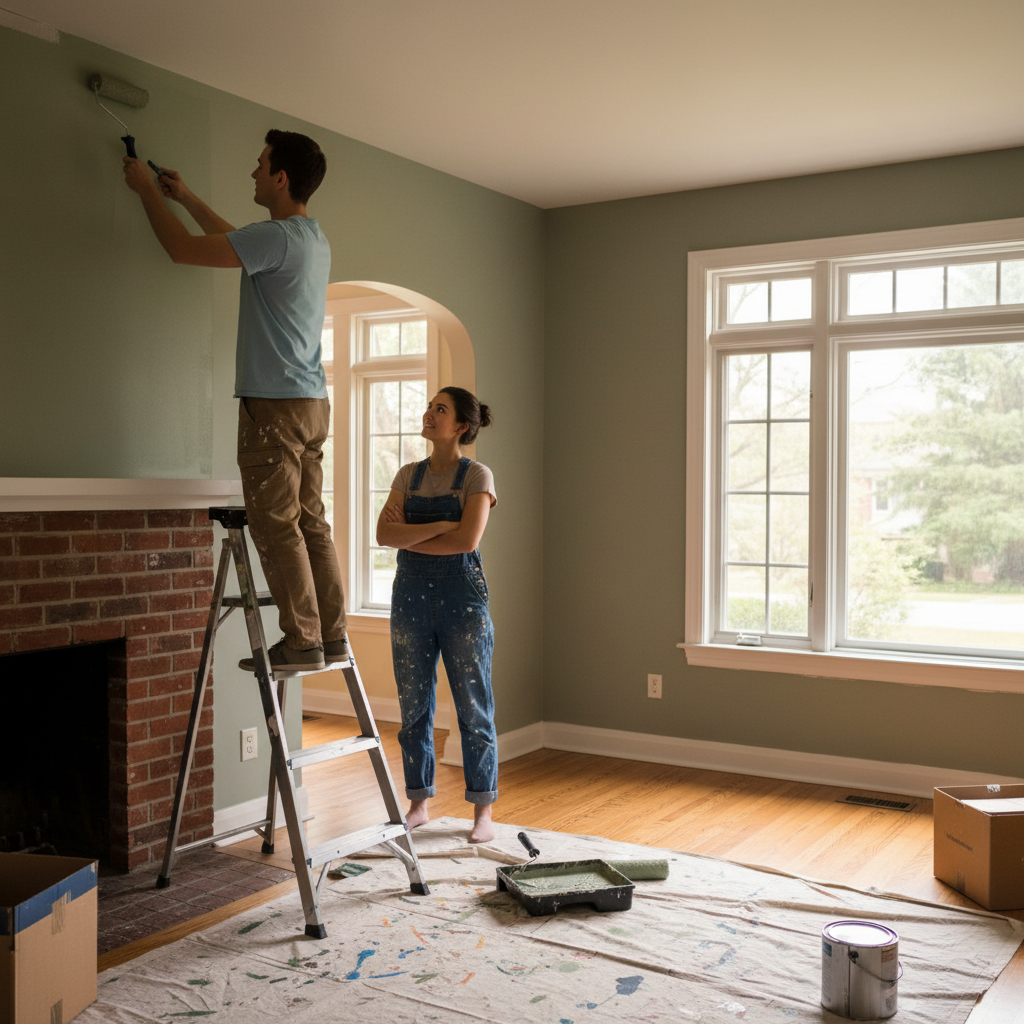
There is a version of the Southern Ontario lawn that is emerald, flat, perfectly edged, and requires four hours of your Saturday every two weeks from May through October. A growing number of homeowners have decided that version is not worth it.
The alternative is not ugliness. The alternative is intentional. Artificial turf has matured dramatically in both quality and cultural acceptance over the last five years. The multi-tone blends available in 2026 are genuinely difficult to distinguish from real grass at normal viewing distance. Pet-friendly drainage systems, permeable bases that handle spring melt and rain events, and putting-green applications in small yards: these are the products that have moved artificial turf from the exception to a mainstream option across York Region, Peel, and Halton.
The financial argument is straightforward. A quality artificial turf installation in a standard Mississauga or Richmond Hill backyard runs $8,000 to $15,000 depending on size and base preparation. Annual maintenance cost: near zero versus the $2,000 to $3,500 in lawn care services that the equivalent natural lawn requires annually in the GTA market. The payback period is 4 to 7 years. The value at resale, in a market where move-in-ready low-maintenance properties trade at a premium, is increasingly positive.
For homeowners with children or dogs, the functional case is equally strong. A surface that drains completely within hours of rainfall, stays clean year-round, and does not track mud into the house is a genuine quality-of-life improvement that a natural lawn cannot match.
The Fire That Extends the Season
Southern Ontario spring evenings are cold. Not cold enough to stay inside, but cold enough that the transition from dinner to an outdoor fire table is the decision that determines whether the night ends at 8pm or midnight.
The gas fire table has become the single most popular backyard investment in the GTA and surrounding regions over the past three years, and the reason is simple: it requires nothing. No wood, no kindling, no lighter fluid, no smoke in your eyes, no cleanup. A turn of a dial and you have fire. The outdoor conversation continues. The wine gets poured again. The evening extends into the kind of night you remember.
The 2026 evolution of the fire feature is integration. Sunken fire lounges, where the seating surrounds a central gas fire at a lower level, are appearing in Oakville and Burlington renovations at a significant frequency. Seating walls built from armour stone or oversized pavers with a linear gas fire inset along the top: this is the landscape detail that earns the most comments and photographs in showings, and it photographs consistently well for listings.
Budget reality: a quality gas fire table from a reputable Ontario supplier runs $1,800 to $4,500. A built-in linear fire feature integrated into a seating wall: $6,000 to $14,000 depending on size and specification. Both are among the highest-return investments in backyard renovation in the current GTA and Halton market.
The Room That Raises Your Children
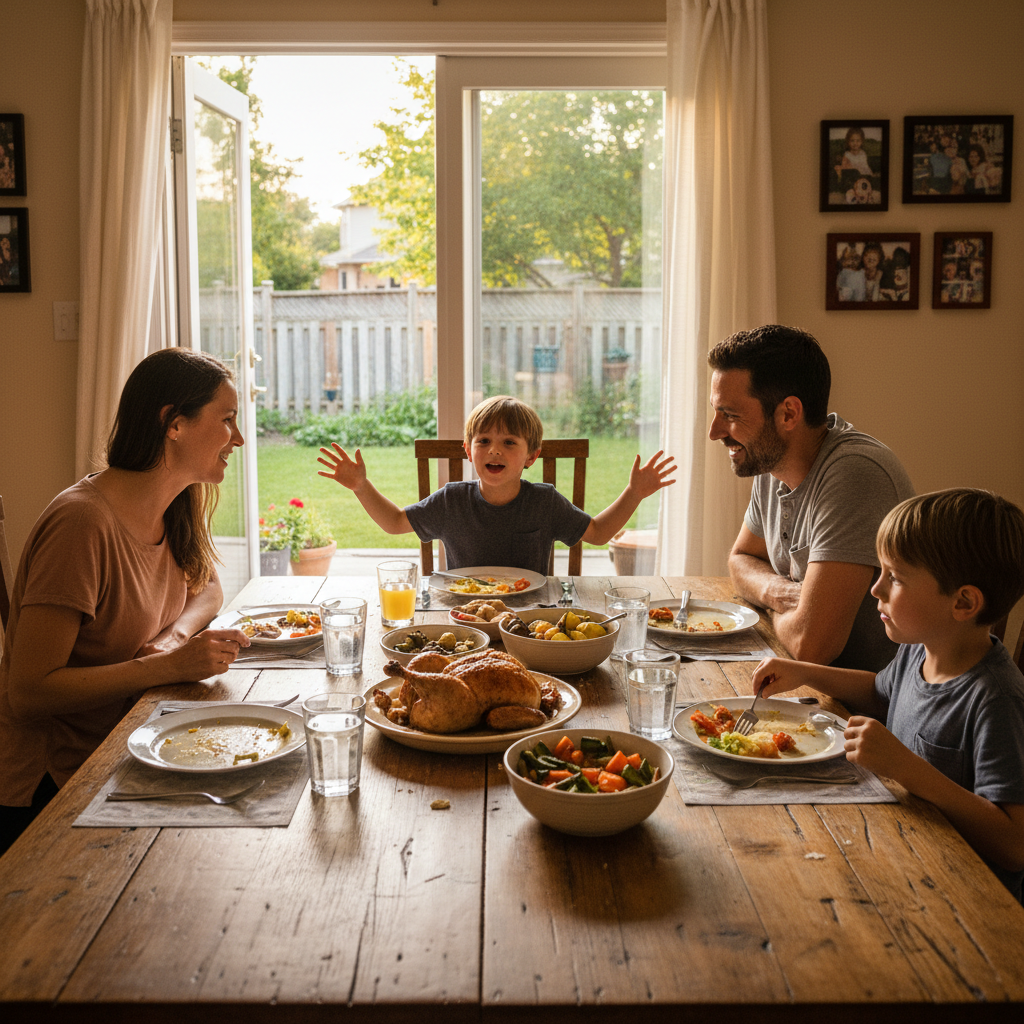
The backyard is where the homework stops and the growing starts. For GTA families in the $850,000 to $1.3 million home market, the backyard's role in family life is not decorative. It is functional in ways that affect the daily quality of life more than any interior renovation.
The play infrastructure that families are investing in has evolved. The oversized plastic playset that dominated suburban Ontario backyards in the 2000s has given way to cedar climbing structures with genuine challenge, natural sand and water play areas, vegetable gardens that children participate in, and the unstructured open lawn that child development research consistently identifies as the most important outdoor feature for children under 12.
The 3-season lounge that the adults use for fire table evenings doubles as the covered homework zone on rainy September afternoons and the reading corner on May weekends when the weather is not quite outdoor-furniture weather. Multi-use design that serves the full household across all its ages and moods is the design brief that the best Southern Ontario landscape architects are working from in 2026.
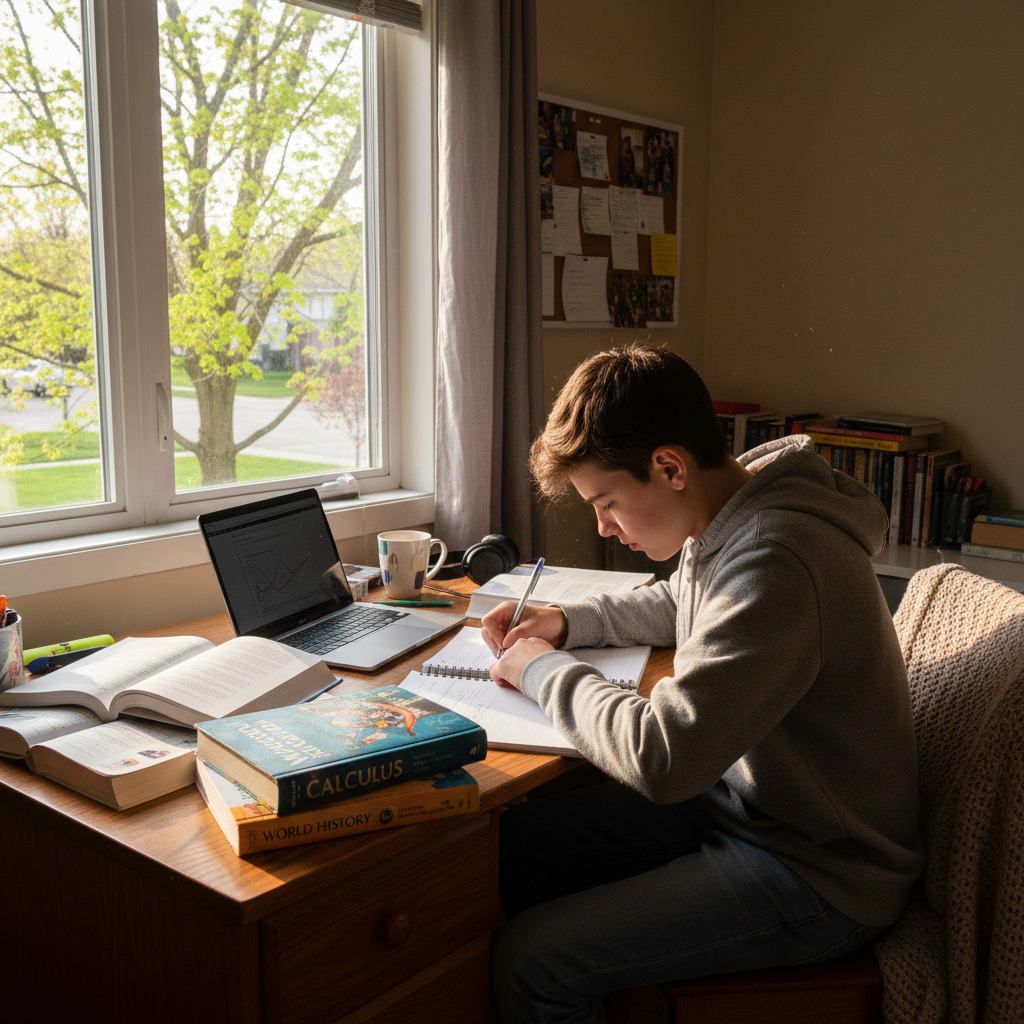
The return on this investment is not only financial. It is the Tuesday evening in June when the family ends up outside instead of on screens. It is the September afternoon when the teenager does homework at the outdoor table because the light is better. It is the Sunday morning in October when the coffee is drunk outside, in coats, watching the leaves come down.
These are the returns that do not show up in the MLS listing but make everything else about a home worth it.
What to Do This Spring
The window for Southern Ontario landscape work opens in May and closes in October. The contractors who do the best work book up by early April. If you are reading this and you have not yet spoken to a landscape professional about your spring project, the conversation needs to happen this week.
The investments with the strongest return in the current GTA and Halton market: a covered outdoor dining zone, a gas fire feature, climate-adapted privacy planting, and a hardscape built to the specific demands of the Ontario freeze-thaw cycle.
The investment with the longest personal return: the backyard that your family will use every day for the next decade.
Visit yorknine.ca for GTA and Ontario-wide real estate guidance and neighbourhood expertise.
Related articles
- What’s Happening Across the GTA This Season: Six Lifestyle Signals for Summer 2026
- The GTA This Season: Six Neighbourhood Lifestyle Stories to Watch in Summer 2026
- May in Halton and Peel: The Case for Oakville, Burlington, Mississauga, and Brampton When the Spring Is This Good
- Hamilton in May: Why the City Between the Escarpment and the Lake Is Having Its Defining Moment
- May in Halton: Why Oakville and Burlington Are Worth Every Dollar This Spring
- Why the GTA's Heritage Homes Hold Their Value Through Every Market Cycle