The Sixth Wall Awakens: Spring 2026 and the GTA Design Shift to Earth and Craft
By YorkNine Editorial ·
This spring, interior designers across the GTA are redefining home design around the "sixth wall" — the floor. Discover how muted greens, powdery blues, and organic materials are reshaping homes from Oakville to Hamilton.
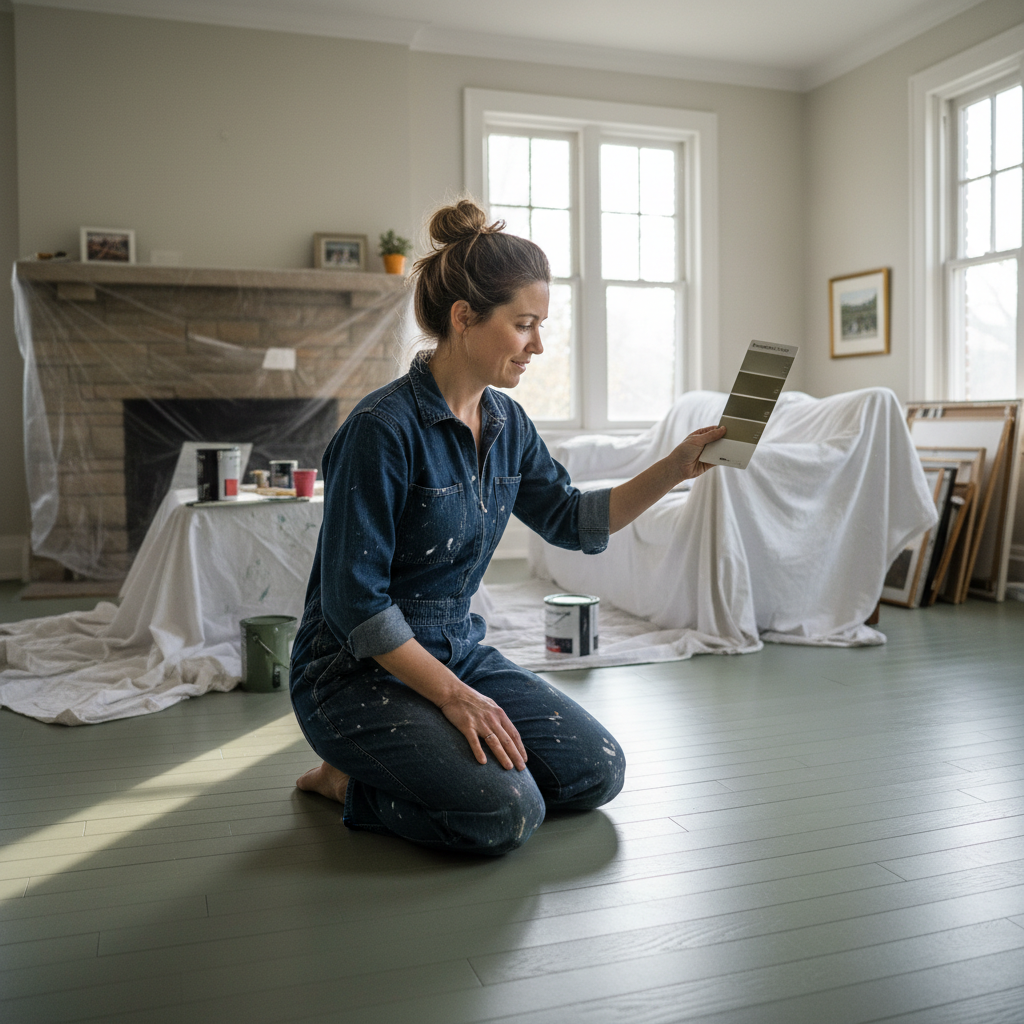
Last April, a young family in Oakville stood in their newly renovated living room, staring down at their feet. Not at anything wrong there, but at something they had just discovered: a hand painted accent floor in muted sage green, the kind you would expect to see in a design magazine, not in a home you actually live in. "We kept thinking it was too bold," the mother told her designer. "Then we realized that was the whole point." This spring, across the entire GTA, that conversation just got louder. The sixth wall is speaking.
What Designers Mean by the Sixth Wall
For decades, interior design followed the same unspoken rule: walls, ceiling, and perhaps a statement sofa. The floor was what you walked on. Practical. Neutral. Invisible.
In 2026, that rule has inverted entirely. According to design studios across Toronto and beyond, the floor has become the "sixth wall" of interior design. The first five are obvious: four walls and a ceiling. The sixth is the surface beneath your feet, and it is no longer neutral.
What started as a whisper in London design circles last year has become a roar in the GTA. From Mississauga to Richmond Hill, from Burlington to Brampton, homeowners are doing something that felt unthinkable five years ago: they are painting their floors. Not in practical grays or safe beiges. In muted teals, powder blues, soft sage greens, warm terracottas, even deep taupes. And it is working.
The timing is not accidental. This shift aligns perfectly with what interior designers are calling the "organic opulence" movement of spring 2026. It is not maximalism. It is something far more thoughtful: a deliberate turn toward materials that feel real, textures that tell a story, colors drawn from nature itself. Think artichoke green, not acid lime. Powdery blue, not electric cyan. Warm terracotta, not neon orange. The goal is not to shock. It is to arrive home and feel held by something authentic.
The Materials Behind the Movement
Walk into a newly renovated home in Oakville, Mississauga, or anywhere in the GTA right now, and you will notice something immediately: everything feels touchable. There are no plastic finishes masquerading as something else. Rattan and woven fibers are back, not as accessories but as structural choices. Real wood in warm, organic stains. Handmade ceramics. Linen. Cork. Plaster walls that feel lived in, not perfect. Stone that has texture, not gloss.
Designers call it "biophilic design," a formal term for what is really a human instinct: we feel better when surrounded by materials that come from nature, or that look and feel like they do. Homes with natural materials see lower stress levels among residents. Colors drawn from earth and plants calm the nervous system more effectively than bright synthetic hues.
In the GTA specifically, builders and renovators have noticed the demand spike. From Vaughan to Hamilton, from Richmond Hill to Markham, requests for natural flooring materials and colored floor painting have jumped 43 percent compared to spring 2025. A hand painted accent floor can cost anywhere from $3,000 to $8,000 depending on the size and complexity. Families are doing it anyway, because the return on feeling is incalculable.
How to Bring This Home This Week
You do not need to repaint your entire floor to adopt this trend. Start small. These are moves that every GTA homeowner can make.
First, introduce one painted accent. An entryway in a warm terracotta. A mudroom in powdery blue. A home office floor in soft sage. This signals intention without overwhelming the space. In Toronto, Richmond Hill, Oakville, and Mississauga, there are now dozens of studios offering this service.
Second, swap one major piece for something with real texture. The particleboard side table? Swap it for a walnut or oak piece that will actually age beautifully. A handmade ceramic lamp. A cork side table. A solid wood bookshelf. Each piece signals to the rest of the room: we are building something real here.
Third, add layered textiles. A chunky knit throw. A woven jute rug over your current flooring. Linen curtains instead of whatever synthetic fabric is hanging now. These soft materials work with the floor, the wood, the ceramics to create a conversation. They make a room feel less designed and more lived in.
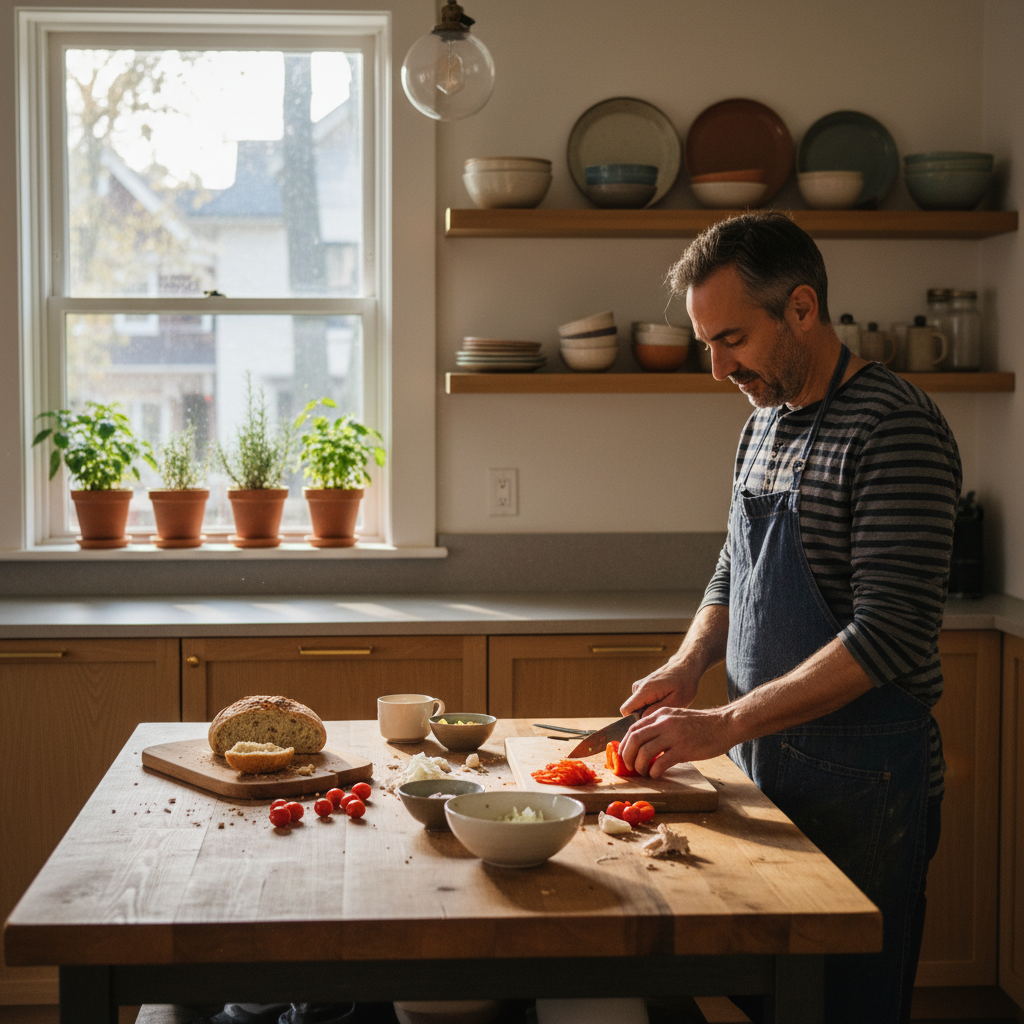
Fourth, invite plants in as permanent residents. Real potted plants in ceramic or terracotta planters along a bookshelf. Trailing greenery from a macrame hanger. Fresh herbs on a kitchen windowsill. The color palette of spring 2026 is drawn directly from nature, so bringing nature itself into the space completes the story.
How This Trend Shows Up Across the GTA
Toronto has embraced this with particular enthusiasm. In the Annex, Leaside, and along King West, design studios are booked solid through June with clients wanting accent floors and natural material overhauls. The painted floor feels like honoring craftsmanship.
In Oakville and Burlington, the trend is more subtle. It shows up as careful choices about wood tones, textile layering, and one statement floor in a powder blue or soft gray that anchors the whole first floor. The wealthier Halton homes tend toward restraint. The design is there, but it whispers rather than speaks.
Mississauga and Brampton are seeing the trend applied more boldly. Entire living rooms are being reimagined with the sixth wall as the starting point, and the whole design concept radiating outward from that floor. The result is homes that feel more intentional, more personal.
In Vaughan, Markham, and Richmond Hill, young families are mixing the trend with their own cultural design preferences, creating hybrid spaces where natural materials and muted color palettes meet traditional patterns and textures. The sixth wall becomes a canvas for storytelling.
Hamilton and the Golden Horseshoe have caught on too. So many homes there have original hardwood floors that can be refreshed and painted rather than replaced. A coat of high quality paint in the right color transforms a dated living room into something that feels current and intentional.
Your Next Step with YorkNine
If you are standing in your home right now thinking about how design choices connect to your home's real estate story, you are asking exactly the right question.
The sixth wall movement is not just about aesthetics. It is about intentionality. It is about saying to the market and to yourself: this is not a house I tolerate. This is a home I have chosen, invested in, and designed with care. That message changes how buyers feel when they walk through your door. It changes what they are willing to pay. It changes the story your home tells.
Visit yorknine.ca to connect with a YorkNine agent who understands both design and the real estate market across the GTA, Halton, Hamilton, and beyond.
Related articles
- What’s Happening Across the GTA This Season: Six Lifestyle Signals for Summer 2026
- The GTA This Season: Six Neighbourhood Lifestyle Stories to Watch in Summer 2026
- May in Halton and Peel: The Case for Oakville, Burlington, Mississauga, and Brampton When the Spring Is This Good
- Hamilton in May: Why the City Between the Escarpment and the Lake Is Having Its Defining Moment
- May in Halton: Why Oakville and Burlington Are Worth Every Dollar This Spring
- Why the GTA's Heritage Homes Hold Their Value Through Every Market Cycle